

Facing bankruptcy as a small business owner can be daunting. The journey from insolvency back to financial health requires determination, strategy, and sometimes assistance from professionals. Understanding the steps to take can make the difference between staying afloat and going under.
For many entrepreneurs, bankruptcy is not just a financial event but an emotional and psychological one as well. Feelings of stress, uncertainty, and loss of confidence are common, especially when a business represents years of personal investment. Recognizing these emotional challenges and addressing them alongside financial recovery is an important part of rebuilding successfully.
It is also important to remember that bankruptcy is more common than many business owners realize. Economic downturns, unexpected market shifts, supply chain disruptions, or even rapid growth can strain cash flow. Viewing bankruptcy as a business reset rather than a personal failure allows owners to approach recovery with clarity and purpose.
Understanding Bankruptcy and Its Implications
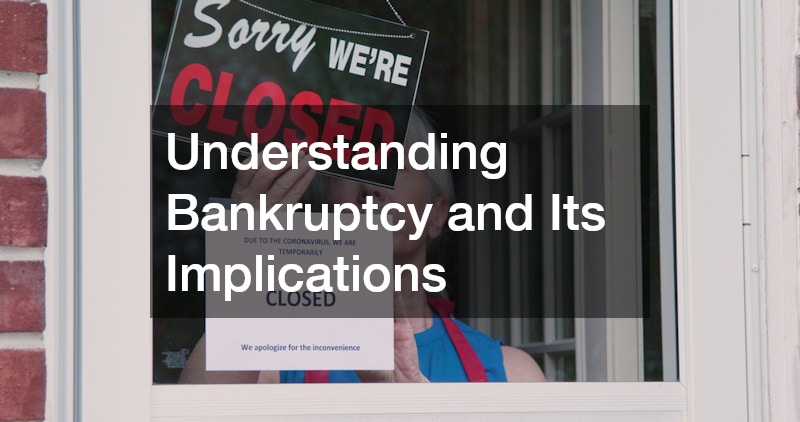
Bankruptcy can seem like the end of the road for your business, but it often marks a new beginning. A bankruptcy attorney can help you navigate the legal complexities and find viable options for your business’s recovery. It’s crucial to comprehend the different types of bankruptcy and how they affect your operations and assets.
Small business owners, especially entrepreneurs, need to realize that declaring bankruptcy isn’t the only option available. Early intervention can include negotiating with creditors or restructuring debts. Collaborating with an accounting firm could provide you with insights into financial planning and management to thwart the need for bankruptcy.
Furthermore, working with certified public accountants can help ensure that your business stays on track post-bankruptcy. They can help analyze financial statements and guide strategic planning. A combination of fiscal discipline and professional advice can set the stage for a successful recovery.
Understanding the long-term implications of bankruptcy is equally important. Bankruptcy can affect your business’s credit profile, supplier relationships, and access to financing for years to come. Knowing how these impacts unfold allows business owners to proactively plan for rebuilding trust and financial credibility.
Another critical consideration is how bankruptcy affects ownership and control. Depending on the type filed, owners may retain operational control or be subject to oversight by trustees or courts. Clarifying these dynamics early helps business owners make informed decisions about leadership, governance, and future restructuring.
Bankruptcy laws vary by jurisdiction, making localized legal guidance essential. Staying informed about regulatory requirements, reporting obligations, and court timelines helps prevent missteps that could delay recovery. A clear understanding of the legal framework empowers business owners to move forward with confidence rather than uncertainty.
Beyond the legal framework, business owners should understand how bankruptcy impacts contracts and leases. Many agreements include bankruptcy clauses that allow vendors or landlords to terminate or renegotiate terms. Reviewing these contracts early allows businesses to anticipate operational disruptions and plan alternatives.
Public perception is another often-overlooked implication. Customers, employees, and partners may have concerns about the business’s stability. Transparent communication and a clear recovery plan can help reassure stakeholders and preserve valuable relationships during and after the bankruptcy process.
Finally, bankruptcy can provide strategic advantages when handled correctly. Discharging or restructuring debt can free up capital, allowing businesses to reinvest in operations, marketing, or innovation. When paired with disciplined management, bankruptcy can serve as a catalyst for long-term improvement rather than decline.
Assessing Financial Health Post-Bankruptcy
After declaring bankruptcy, it’s essential to fully assess your business’s financial health. Start by evaluating your current liabilities and assets to determine your net position. An accounting firm can assist in this process by providing objective audits and suggestions for improvement.
Utilizing full service bookkeeping ensures that your business keeps accurate financial records. Consistent recordkeeping helps prevent future insolvency by allowing you to make informed decisions based on current financial health. Establishing a reliable system for tracking income and expenses is foundational in recovering from bankruptcy.
A key aspect of your financial assessment involves analyzing cash flow and liquidity. Having adequate cash bonds or reserves is crucial to maintaining business operations without relying on further debt. Understanding what constitutes large bonds can further aid in determining appropriate levels of financial security.
Beyond reviewing financial statements, business owners should reassess their cost structures. Identifying unnecessary expenses, renegotiating vendor contracts, and improving procurement efficiency can significantly improve margins. Small cost adjustments often have a substantial cumulative impact on financial stability.
Benchmarking performance against industry standards is another valuable step. Comparing your business’s metrics—such as profit margins, overhead ratios, and revenue growth—to similar companies can reveal gaps and opportunities. This insight helps prioritize improvements that drive competitiveness.
Finally, reassessing revenue streams ensures that the business focuses on profitable and sustainable offerings. Some products or services may no longer align with post-bankruptcy goals or market demand. Streamlining offerings allows businesses to concentrate resources on areas that generate consistent returns.
Implementing Effective Business Strategies
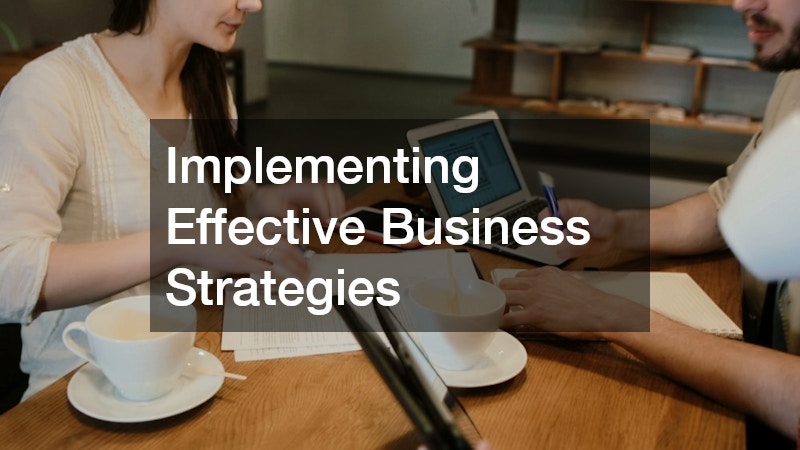
Crafting a strategic plan is vital for small businesses emerging from bankruptcy. This plan should prioritize short-term survival and long-term growth. Entrepreneurs should focus on scalability, ensuring the business model is adaptable for future market changes and demands.
Seek assistance from professionals like certified public accountants to draft strategies that align with your business’s goals. They can provide financial projections and practical steps for executing your action plan. Utilizing their expertise can help mitigate risks and pursue profitable ventures.
Additionally, integrating a robust credit card processing service can streamline transactions and enhance cash flow. This ensures that your business can handle customer payments efficiently, improving the overall customer experience while maintaining fiscal responsibility. Selecting a reliable service provider is crucial for sustained operational success.
Effective strategies also require clear goal-setting and performance tracking. Establishing measurable objectives allows business owners to monitor progress and adjust tactics as needed. Regular reviews ensure strategies remain relevant and responsive to changing conditions.
Market repositioning may also be necessary after bankruptcy. This could involve redefining your value proposition, targeting new customer segments, or refining branding efforts. Strategic repositioning helps rebuild trust and attract customers who align with the business’s renewed direction.
Risk management should be embedded into every strategy moving forward. Identifying potential threats—such as market volatility, supplier dependency, or regulatory changes—allows businesses to develop contingency plans. Proactive risk mitigation strengthens resilience and reduces the likelihood of future financial distress.
Technology adoption can further strengthen business strategies. Tools such as customer relationship management systems, inventory tracking software, and financial dashboards provide real-time insights that support smarter decisions. Strategic use of technology enhances efficiency while reducing operational blind spots.
Additionally, focusing on incremental growth rather than rapid expansion often proves more sustainable post-bankruptcy. Controlled growth allows businesses to test new initiatives, manage cash flow effectively, and scale only when financially ready. This disciplined approach reduces the risk of repeating past mistakes.
Finally, leadership alignment is critical for executing any strategy. Owners, managers, and key employees must share a clear understanding of priorities and goals. Strong internal communication ensures that strategic initiatives are implemented consistently across the organization.
Navigating Through Tax Obligations
Post-bankruptcy, fulfilling tax obligations becomes a significant focus for businesses aiming to restore financial stability. Obtaining tax relief services can help in managing taxes more effectively by reducing the tax burden and ensuring compliance. These services offer strategic advice on optimizing tax payments.
Working with an accounting firm or tax advisors can identify legitimate ways to minimize tax liabilities. They provide guidance on tax codes, deductions, and credits which are crucial in post-bankruptcy scenarios. For small businesses, every saving counts and can be reinvested into growing the enterprise.
Maintaining proper documentation and understanding tax laws is essential for avoiding legal complications. Additionally, an appreciation for how taxes impact cash flow and profitability can help in strategic decision-making. Continuous education on these matters contributes to a sustainable recovery path.
Post-bankruptcy businesses should also review past tax filings for accuracy. Errors or missed deductions from previous years may still be correctable, offering potential refunds or credits. Addressing these issues can provide a modest but meaningful financial boost.
Another important step is establishing a tax calendar. Proactively tracking deadlines for estimated payments, payroll taxes, and filings helps avoid penalties and interest. Timely compliance supports credibility with tax authorities and reduces stress for business owners.
Finally, incorporating tax planning into overall business strategy enhances long-term sustainability. Evaluating how growth decisions, hiring plans, or capital investments affect tax exposure ensures smarter financial outcomes. Strategic tax planning becomes a tool for stability rather than a reactive burden.
Leveraging Resources and Networks

Connections with other industry professionals can play a pivotal role in a business’s recovery journey. Building a robust network of fellow entrepreneurs can offer support, advice, and potential opportunities. Engaging with industry peers who have faced similar challenges can provide insights into creative problem-solving and innovation.
This network also includes professionals such as bankruptcy attorneys and accounting firm representatives. They offer not just services but also valuable advice tailored to your specific situation. Their prior experiences in handling similar cases provide pragmatic solutions and new perspectives.
Leveraging networks also involves participating in business communities, online forums, or workshops. These platforms offer a wealth of knowledge and shared experiences which can boost morale and provide guidance. Continuous interaction and learning ensure your business remains resilient and adaptable to future challenges.
Mentorship is another powerful resource during recovery. Experienced mentors can help business owners avoid common pitfalls and make informed decisions. Their guidance often accelerates learning and improves confidence during uncertain periods.
Strategic partnerships may also emerge through networking. Collaborations with complementary businesses can reduce costs, expand reach, or create new revenue streams. These partnerships allow businesses to grow without shouldering all risks alone.
Additionally, engaging with local chambers of commerce or economic development organizations can unlock access to grants, training programs, or financing options. These institutional resources are often underutilized yet highly beneficial for post-bankruptcy recovery efforts.
Online professional platforms can also serve as valuable networking tools. Thoughtful participation in discussions and sharing insights can enhance credibility and visibility within your industry. A strong professional presence often leads to unexpected opportunities.
Networking also supports emotional resilience. Connecting with others who understand the challenges of entrepreneurship reduces isolation and stress. Emotional support is an often-overlooked yet critical factor in sustaining long-term recovery.
Building Sustainable Business Practices
Establishing sustainable business practices is crucial for remaining solvent post-bankruptcy. This involves adopting measures focused on reducing waste, improving efficiency, and increasing profitability. It’s vital to regularly review and adjust business strategies to adapt to market changes and customer needs.
Utilizing full service bookkeeping helps in maintaining accurate financial records, which are essential for informed decision-making and strategy adjustments. The use of technology, like automated financial systems, can reduce errors and increase efficiency. Automating processes can free up time for focusing on core business activities.
Finally, fostering a culture of innovation within your business ensures continuous improvement. Encourage employees to propose new ideas and methods to improve operations. This proactive approach not only boosts morale but also contributes to long-term business growth and stability.
Sustainability also includes responsible financial behavior. Maintaining conservative debt levels, building emergency reserves, and monitoring key financial ratios helps protect against future downturns. Financial discipline becomes a cornerstone of long-term success.
Operational sustainability can be strengthened by investing in employee development. Training and upskilling employees improves productivity and reduces turnover costs. A knowledgeable workforce is better equipped to adapt to change and support growth initiatives.
Lastly, customer-centric practices contribute to sustainable revenue. Listening to feedback, improving service quality, and maintaining transparent communication builds loyalty and trust. Strong customer relationships provide stability and help insulate the business from market fluctuations.
A Path to Solvency

Achieving solvency after a financial setback requires dedication, strategic planning, and a commitment to sustainable practices. By applying lessons learned from bankruptcy and leveraging professional support from bankruptcy attorneys and certified public accountants, small business owners can navigate their way back to financial health.
With a focus on effective cash management, tax compliance, and sustainable practices, businesses can build themselves even stronger post-bankruptcy. Utilizing resources like full service bookkeeping and credit card processing services ensures transactions are transparent and efficient, fostering a solid financial foundation.